


Mammograms May Help Identify Heart Disease Risk
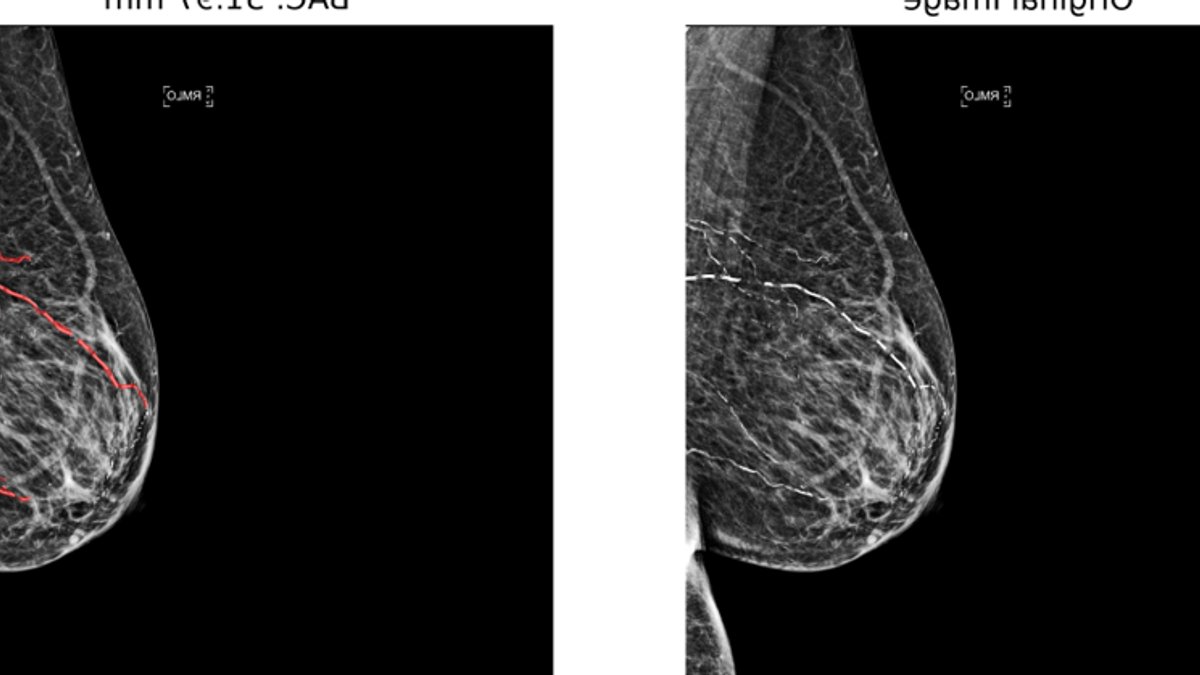
A routine mammogram may do more than detect breast cancer. New research suggests it could also help identify early signs of heart disease, a condition that remains the leading cause of death among women, responsible for roughly one in three deaths each year.
Heart disease often develops without obvious symptoms until a major event like a heart attack or stroke occurs. Yet there is no standard annual screening for heart disease in female patients, a gap researchers say leaves many at risk without warning. Current risk assessments rely on factors like cholesterol, blood pressure, and body weight, which don’t fully account for how heart disease progresses differently in women or what is actually happening inside the blood vessels.
What mammograms already capture
The key is something called breast arterial calcification, or BAC. These calcium deposits appear on mammogram images as faint white specks along the walls of arteries in breast tissue.
Related: Types and Benefits of Aesthetic Cosmetic Dentistry Dental Procedures
The problem has been measuring them reliably.
“BAC is difficult to measure because it appears as a very subtle finding on standard 2D mammograms and cannot be consistently quantified by eye, even by experts,” said Dr. Imon Banerjee, scientific director of the Arizona Advanced AI and Innovation Hub at Mayo Clinic. “AI allows us to measure these calcium deposits quickly and more accurately than before.”
Mayo Clinic recommends women at average risk begin annual screenings at age 40, and most do. They say that creates an opportunity to check for cardiac danger during a test millions of female patients already get, without any extra radiation or additional testing.
A large study with stark numbers
A retrospective cohort study published in the European Heart Journal looked at more than 120,000 female subjects who had screening exams at two healthcare systems. They used a deep learning model to develop a tool that identifies BAC deposits, measures their extent, and classifies severity. The team then tracked whether higher BAC levels were linked to cardiovascular events or death over time.
Related: Advantages and Disadvantages of a Vegan Diet
Stark findings emerged.
Those with severe BAC had more than 10 times the chance of a cardiovascular event within five years compared to those with no or mild BAC. The model was validated across 12 institutions, comparing AI-generated measurements with radiologist assessments. The study was observational, meaning it shows an association but does not prove that BAC directly causes heart problems.
“Breast arterial calcification occurs when calcium builds up in the walls of the arteries within breast tissue,” Banerjee said. “Calcium seen on mammograms correlates with calcification in other parts of the body. That calcium in the breast is different from calcium in the heart. Instead of blocking blood flow, it makes the blood vessels stiffer and less flexible, signaling a higher risk of heart problems because it affects how blood moves.”
AI as a tool, not a replacement
The AI model is currently under review by the U.S. Food and Drug Administration. She said the algorithm allows radiologists to measure BAC with a single click, adding a new data point to the standard mammogram report. “It becomes a new input for the prediction models,” she said. “This could completely change the screening workflow for female patients and improve early detection of heart disease.” Yet the technology is not yet in wide use. “The challenge with BAC is that we have the algorithm, we have the validation, we know that it works. Now, how do the institutions adopt it?” Banerjee acknowledged. She noted there are currently no clinical regulations specifically for BAC. Mayo Clinic physicians are working to translate the research into practice.
Related: The How to care for your hair routine
Teams across cardiovascular medicine, primary care, women’s health, and radiology at the Arizona and Florida campuses are integrating the tool into clinical workflows. They are developing a framework for broader use before expanding to all Mayo Clinic sites.
Some cardiologists have expressed caution.
The study was observational, and more work is needed to show that acting on BAC information actually improves patient outcomes. It may arrive at hospitals before those questions are fully settled.


