
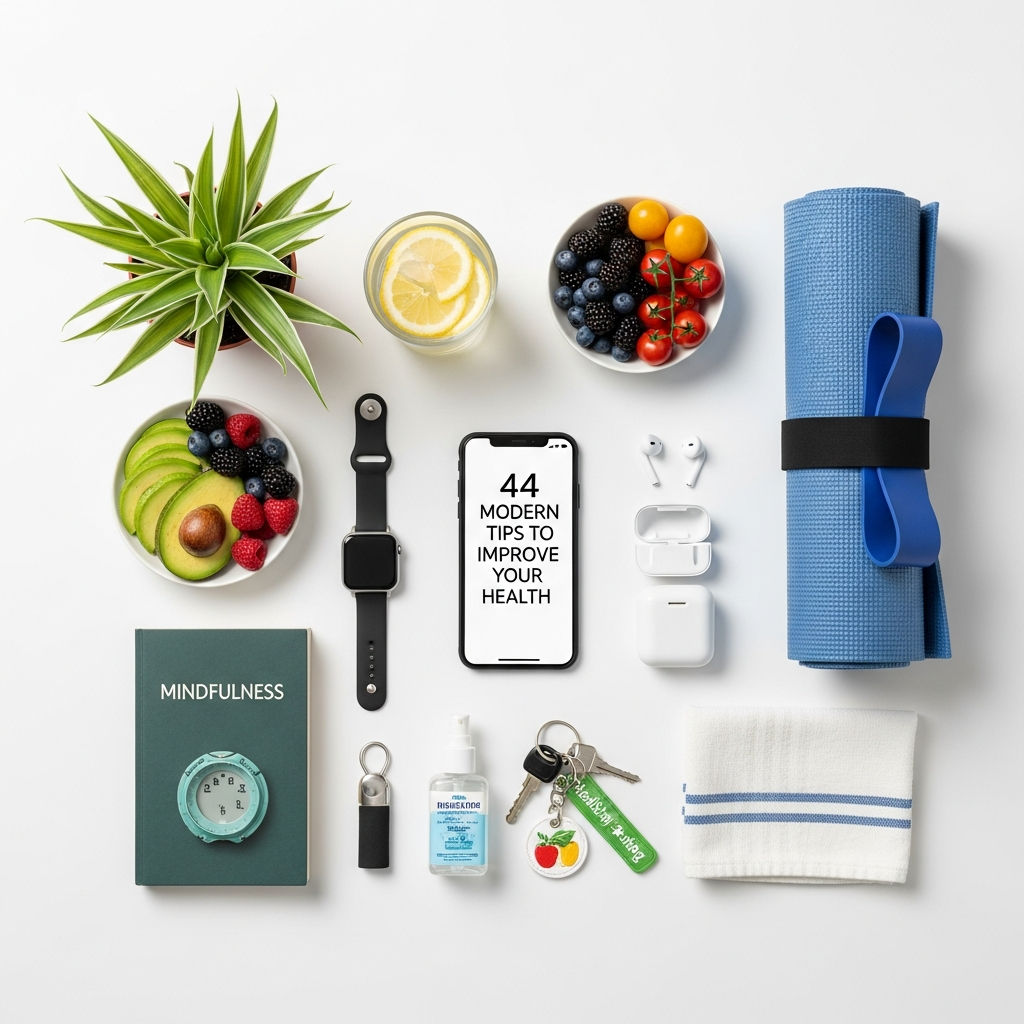
44 Modern Tips to Improve Your Health: A Comprehensive Guide to Wellness
In today’s fast-paced, digitally-driven world, maintaining optimal health can feel like a daunting task. Between processed foods, sedentary office jobs, and the constant hum of social media, our bodies and minds are under more pressure than ever. However, improving your health doesn’t always require a total lifestyle overhaul. Often, it is the accumulation of small, modern adjustments that lead to long-term longevity and vitality.
Whether you are looking to boost your energy, improve your mental clarity, or future-proof your body against chronic disease, these 44 modern health tips provide a holistic roadmap to a better you.
Master Your Nutrition and Hydration
Modern nutrition isn’t just about counting calories; it’s about nutrient density and hormonal balance. Focus on these eight strategies to fuel your body correctly.
- 1. Prioritize Protein at Breakfast: Start your day with 30 grams of protein to stabilize blood sugar and reduce cravings later in the day.
- 2. Embrace Fermented Foods: Incorporate kimchi, sauerkraut, or kefir to nourish your gut microbiome, which is linked to immunity and mood.
- 3. Follow the 80/20 Rule: Eat whole, unprocessed foods 80% of the time, leaving 20% for flexibility to prevent “diet burnout.”
- 4. Drink Water First Thing: Before reaching for coffee, drink 16 ounces of water to rehydrate your cells after sleep.
- 5. Limit Ultra-Processed Foods (UPFs): Modern diets are high in UPFs. Check labels; if you don’t recognize the ingredients, your body might not either.
- 6. Eat the Rainbow: Aim for five different colors of vegetables daily to ensure a diverse intake of phytonutrients and antioxidants.
- 7. Supplement with Electrolytes: If you drink a lot of filtered water, you may be missing minerals. Add a pinch of sea salt or an electrolyte powder to stay truly hydrated.
- 8. Practice Mindful Eating: Put your phone away while eating. Chewing thoroughly and focusing on your food improves digestion and satiety signals.
Modern Movement and Physical Activity
Gone are the days when “health” meant 60 minutes of grueling cardio. Modern fitness emphasizes functional movement and consistent activity throughout the day.
- 9. Focus on NEAT: Non-Exercise Activity Thermogenesis (NEAT) includes walking and fidgeting. Aim for 8,000 to 10,000 steps a day outside of the gym.
- 10. Lift Heavy Things: Resistance training is essential for bone density and metabolic health as we age. Aim for at least two sessions per week.
- 11. Take Post-Meal Walks: A 10-minute walk after lunch or dinner helps lower blood glucose spikes and aids digestion.
- 12. Prioritize Mobility: Spend 10 minutes a day on foam rolling or dynamic stretching to counteract the “office chair” posture.
- 13. Zone 2 Cardio: Engage in steady-state exercise where you can still hold a conversation. This builds mitochondrial efficiency.
- 14. Use a Standing Desk: If you work from home, alternate between sitting and standing every hour to keep your circulation active.
- 15. Practice the “Exercise Snack”: Can’t get to the gym? Do one minute of air squats or jumping jacks every few hours.
- 16. Train for Longevity: Focus on exercises that improve balance and grip strength, as these are high predictors of health in later life.
Optimizing Sleep and Recovery
Sleep is the foundation of health. Without it, even the best diet and exercise routine will fail to deliver results. Use these modern biohacks for better rest.

- 17. Get Morning Sunlight: View natural light within 30 minutes of waking to set your circadian rhythm and improve melatonin production at night.
- 18. Limit Blue Light: Use “night mode” on devices or wear blue-light-blocking glasses two hours before bed.
- 19. Keep It Cool: The ideal bedroom temperature for deep sleep is between 65°F and 68°F (18°C – 20°C).
- 20. Establish a “Digital Sunset”: Turn off electronics one hour before bed to allow your brain to enter a parasympathetic state.
- 21. Try Nasal Breathing: If you wake up with a dry mouth, consider using mouth tape or practicing nasal breathing exercises to improve oxygenation.
- 22. Use Blackout Curtains: Total darkness is essential for the production of sleep hormones. Even a small LED light can disrupt your cycle.
- 23. Magnesium Supplementation: Many adults are deficient in magnesium, which helps relax muscles and the nervous system before bed.
Mental Health and Emotional Wellness
In the digital age, mental health is just as important as physical health. Managing stress is a modern survival skill.
- 24. Practice Box Breathing: Use the 4-4-4-4 technique (inhale, hold, exhale, hold) to instantly calm your nervous system.
- 25. Set Digital Boundaries: Designate “phone-free zones” in your house, like the dining table and the bedroom.
- 26. Start a Gratitude Journal: Writing down three things you are grateful for each day re-wires your brain to look for the positive.
- 27. Limit News Consumption: Constant exposure to negative global events can trigger chronic cortisol spikes. Check the news once a day, then unplug.
- 28. Connect with Nature: “Forest bathing” or simply sitting in a park for 20 minutes can significantly lower stress levels.
- 29. Say “No” More Often: Protect your time. Over-committing leads to burnout and physical illness.
- 30. Seek Community: Social isolation is a health risk. Make time for face-to-face interactions with friends or family.
Biohacking and Longevity Habits
Modern science allows us to track and optimize our health in ways previous generations couldn’t. Use technology and science to your advantage.
- 31. Track Your Data: Use a wearable (like a Whoop, Oura, or Apple Watch) to monitor your Heart Rate Variability (HRV) and recovery.
- 32. Cold Exposure: Try a 30-second cold shower at the end of your routine to boost metabolism and mental resilience.
- 33. Heat Therapy: Use a sauna 2-3 times a week to improve cardiovascular health and detoxify through sweat.
- 34. Annual Blood Work: Don’t wait for symptoms. Get yearly blood panels to check vitamin D levels, cholesterol, and inflammation markers.
- 35. Intermittent Fasting: Consider a 12 to 14-hour fasting window (e.g., 8 PM to 10 AM) to give your digestive system a break and promote autophagy.
- 36. Protect Your Eyes: Follow the 20-20-20 rule: Every 20 minutes, look at something 20 feet away for 20 seconds to reduce digital eye strain.
- 37. Focus on Oral Health: Gum disease is linked to heart disease. Floss daily and use a tongue scraper.
Environmental and Daily Habit Tweaks
Your surroundings dictate your behaviors. Optimize your environment to make healthy choices the default.
- 38. Clean Your Air: Use a HEPA air purifier in your bedroom to remove toxins and allergens that disrupt breathing.
- 39. Swap Plastic for Glass: Reduce exposure to endocrine-disrupting chemicals by using glass containers for food and water.
- 40. Declutter Your Space: A cluttered environment often leads to a cluttered mind and increased cortisol.
- 41. Meal Prep Small Batches: You don’t need to prep for the whole week; just prep protein or chopped veggies for two days to avoid takeout.
- 42. Practice Good Posture: Check your “tech neck.” Keep your ears aligned over your shoulders when using your phone.
- 43. Limit Alcohol: Modern research suggests there is no “healthy” amount of alcohol. Limit it to special occasions to protect your liver and sleep.
- 44. Start Small: Don’t try to implement all 44 tips at once. Pick two this week, master them, and then add more.
Conclusion
Improving your health in the modern era is about reclaiming your biology from a world designed to make you sedentary and overstimulated. By integrating these 44 tips—ranging from simple hydration to advanced recovery techniques—you can create a sustainable foundation for a long, vibrant life. Remember, health is not a destination but a continuous practice of making better choices, one day at a time.